
Have a service question? Explore the related service or call to discuss the door.
A local starting point
The most useful installation question is not simply which door looks best. It is whether the chosen system fits the opening, the available space and the way the garage is used. A good planning conversation brings those details together before sections, hardware and an opener are selected. Rain, wind-driven debris and seasonal temperature changes can expose worn seals or an opening that does not sit evenly. Coastal exposure, where it applies to the property, is worth mentioning, but the actual material and hardware condition still need an inspection.
Start with the opening and its constraints
A technician needs to consider more than width and height. Available headroom above the opening, side room beside it and backroom into the garage affect tracks and operator placement. Storage racks, lights, ductwork and a low ceiling may matter. Do not climb beside a damaged assembly to take measurements. Describe obvious constraints from the floor and let the inspection establish the dimensions and installation requirements that belong in the proposal.
Make the intended use clear
Say whether the opening serves daily parking, occasional storage or a commercial use. A frequently used household entrance has different control and convenience priorities from an outbuilding. Where living space is adjacent, operating sound and the overall enclosure may deserve attention. Discuss children, pets, shared access and who needs a remote or keypad. These details help define the use case without selecting parts based on appearance alone.
Look at the assembly as a matched system
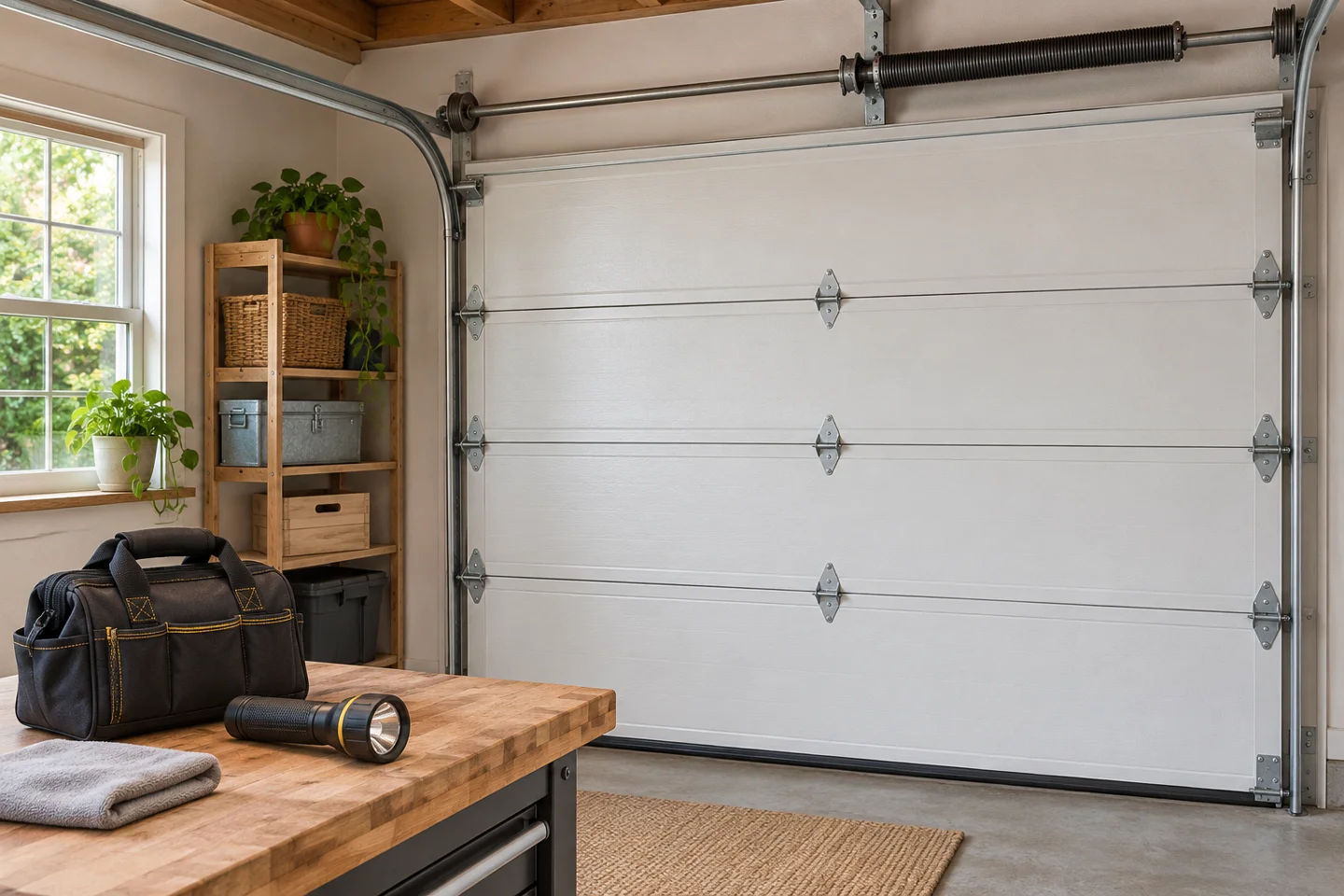
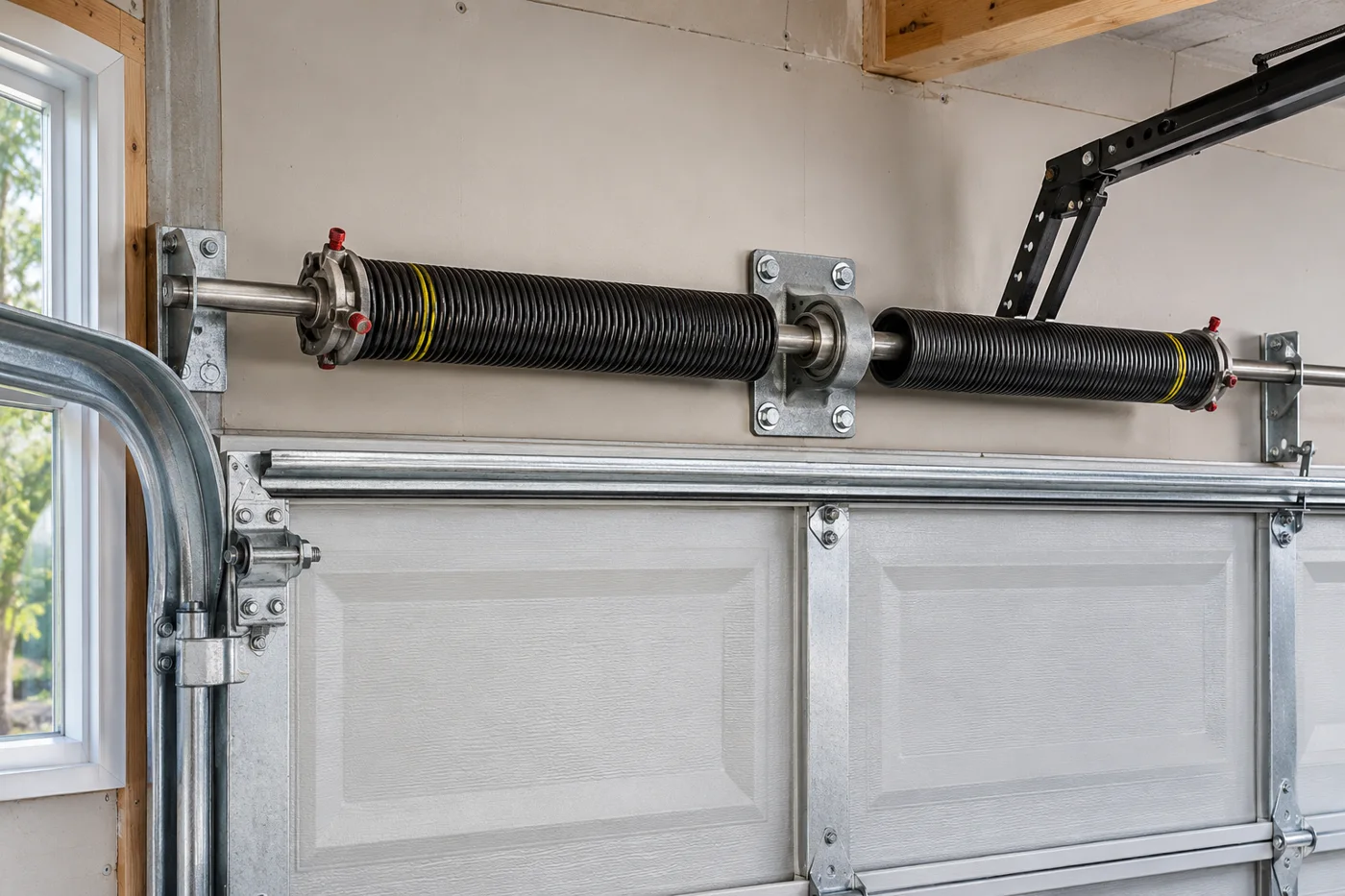
Sections, tracks, springs and hardware work together. Reusing an existing track is not automatically appropriate for a different door thickness, weight or travel arrangement. Ask what the selected package includes and what compatibility checks are planned. The opener is another part of the discussion, not evidence that the door can be installed without attention to balance and clearance. Manufacturer instructions should control the actual assembly and operating setup.
Plan around your property
Tell us about a shared driveway, community access rules, delivery hours or a garage beneath living space. Confirm the town when calling so the request is routed to the right part of central New Jersey. A shore-area home, an inland attached garage and a commercial bay should not be treated as the same installation. Explain the use, opening, available headroom and any property rules before choosing an assembly. Think about the entrance as part of your routine: when it is used, who needs access and what needs to remain clear. These details help make the service conversation specific without assuming that every property needs the same equipment or work.
Discuss the threshold and perimeter
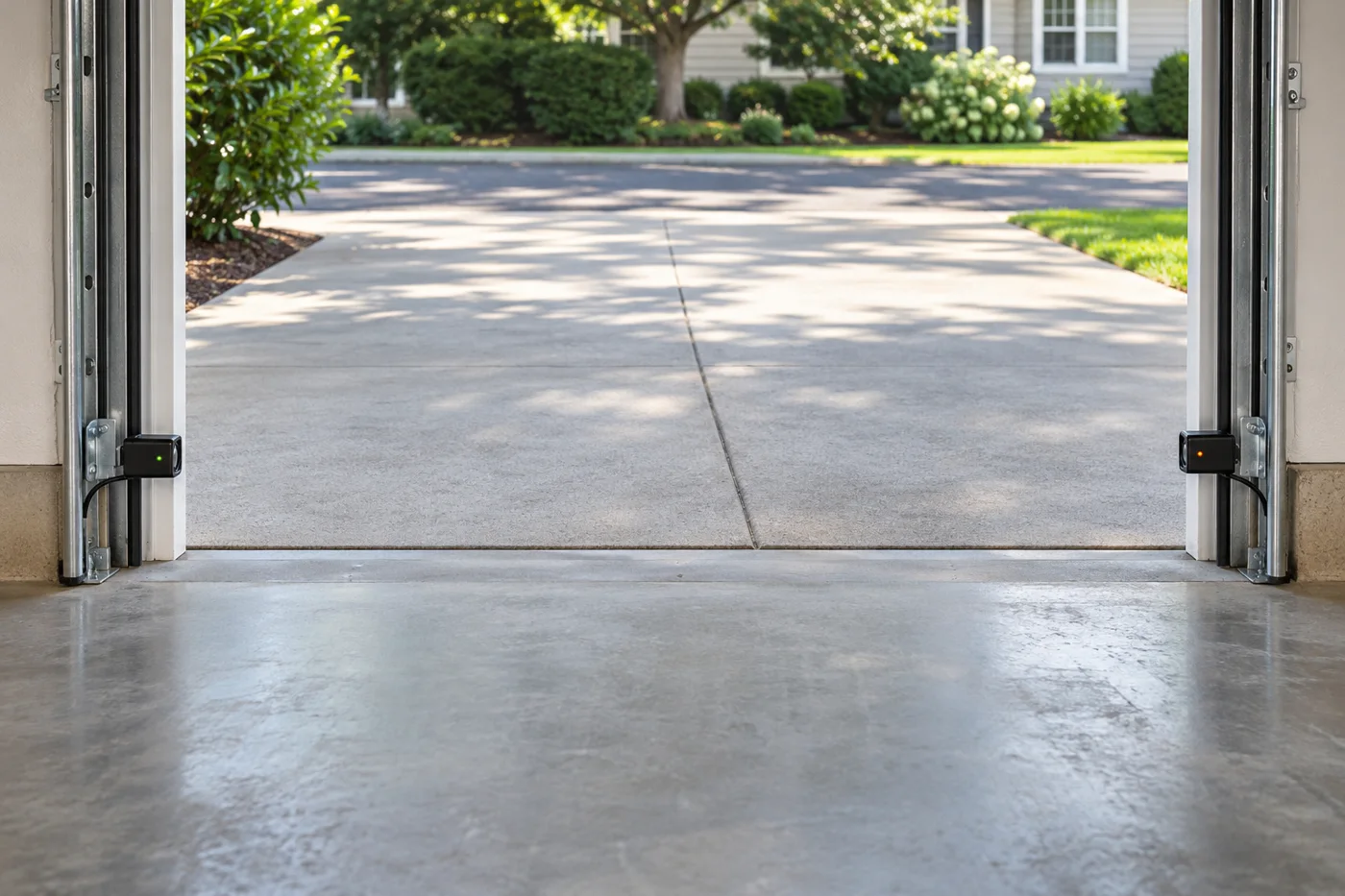
A bottom seal helps meet the floor, while side and top seals address the rest of the perimeter. An uneven threshold, standing water or an opening exposed to debris may need a separate explanation. Seals do not repair drainage or eliminate every air path in a garage. Point out the conditions you have observed rather than asking for a promised result from one product. Clear photographs from outside can be helpful when the area is safe.
Prepare for an installation conversation
Keep the approach accessible and note property or community restrictions before scheduling. Ask how removal, installation, operating checks and cleanup are described in the scope. Discuss which instructions and product information will be provided for the finished system. Call with the town, the kind of opening and the main purpose of the project. Scope and timing are confirmed by phone so the proposed next step fits the actual property.
Further reading
DASMA garage door systems safety guidance ↗
Follow the instructions for your exact door and operator. This guide helps with recognition and planning; work on loaded lifting hardware belongs with trained technicians.